
#1
Sanford Real Estate Services
Buying or Selling Your Home Just Got Easier
MOVING IN
Some celebrate with champagne; others are simply relieved to be done! Either way, there are a few final steps to complete.
Final Walk-Through InspectionYour final walk-through is the last opportunity to inspect the home before closing. By this point, all contingencies should be met and the seller's belongings should be removed. This typically takes place the day before or the day of closing.
ClosingOnce you're satisfied with the final inspection, it's time to close. You, the seller, and the closing agent will sign the settlement agreement, which details the financial transactions involved in the sale. You'll sign your loan documents and provide the remaining balance of your down payment and closing costs to escrow, either via certified check or wire transfer. Once everything is finalized, the deed is recorded with the County Recorder's office, and you officially take ownership of your new property.
When you are ready to get started, call us at 919.499.0609 or complete this short form and one of our agents will be in touch.
Get In Touch
Tips For Buying
Don't Max Out Your Budget
Just because you've been approved for a maximum loan amount doesn't mean you should spend it all on the home's purchase price. Set some funds aside for closing costs, taxes, and potential repairs or remodeling.
Get to Know the Area
Make sure the neighborhood works for you and your family. Are you close to schools, and is shopping conveniently located?
Don't Skip the Home Inspection
Inspections are worth their weight in gold and can reveal problems you may not otherwise notice, giving you peace of mind and helping you make a more informed decision.
Get Pre-Approved
Getting pre-approved by a lender shows the seller you're serious and ready to purchase—not just browsing.
Make a List of Deal Breakers
Know what you can live with and what you can't live without, as well as what can be addressed with a simple remodel. If you need a 4-bedroom home, avoid buying one with 2 bedrooms that would require a costly addition.
Look at the Age of Appliances & Other Systems
Some of the most expensive components of a home are the appliances, HVAC, water heater, septic/well system, and roof. Pay attention to their age and service history, and consider asking the seller to include a home warranty.
Check for HOA Requirements
Many neighborhoods have HOAs that govern what you can and cannot do. Be sure you understand the rules for your neighborhood, along with any associated fees, which are typically billed annually.
Questions?
Give us a call at 919.499.0609 or fill out the form and we'll be in touch.

ONE PARTNER FOR ALL YOUR REAL ESTATE NEEDS


What Price Range Can I Afford?
Resources For Sanford, NC Home Buyers
The journey to homeownership starts with understanding how much you can afford. One major factor to consider is your down payment, if any. Many buyers assume it's impossible to purchase a home without at least 20 percent down, but thanks to various government-sponsored programs, many people can now buy a home with as little as 3.5 percent down. Veterans of the U.S. military may also qualify for zero-down programs.
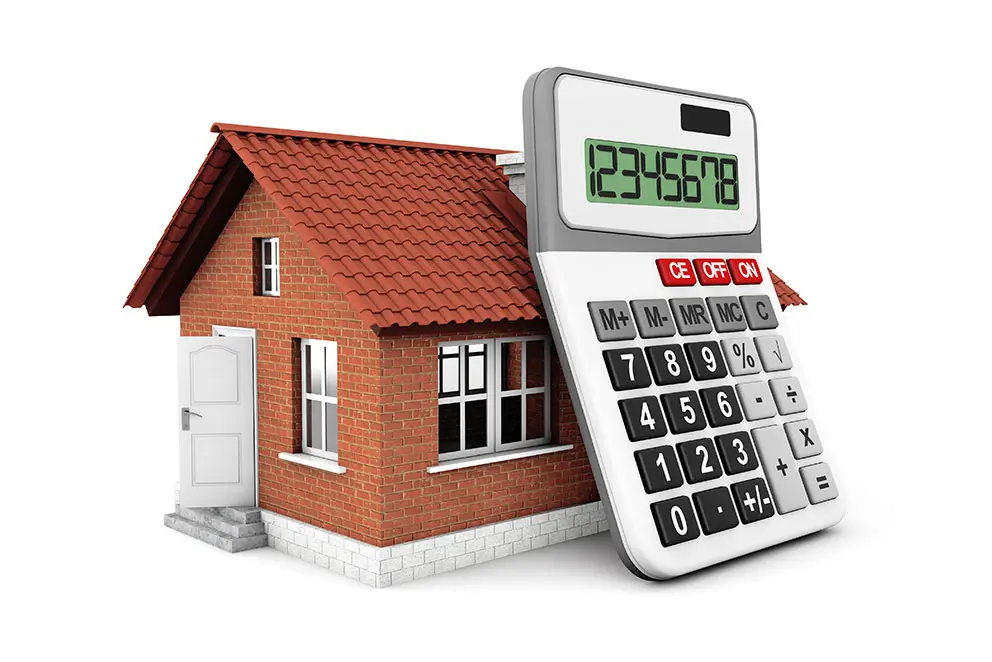
Finding a knowledgeable Mortgage Loan Officer is key to receiving accurate, up-to-date information on available lending options. Use our free mortgage calculator to run some quick numbers.